Driveway Drainage & Culverts Cairns
Practical drainage solutions for driveways, access tracks, property entries and wet-weather runoff.
Driveway Drainage That Helps Keep Access Usable
Driveways and property entries in Cairns can be heavily affected by stormwater runoff, soft ground, pooling water and washouts during wet weather. Poor drainage around a driveway can make access difficult, damage gravel or concrete edges, and push water toward yards, sheds, garages or nearby structures.
Cairns Drainage helps with practical driveway drainage and culvert solutions for residential, semi-rural and acreage properties across the Cairns region. This may include culvert pipe installation, driveway cross drainage, trenching, gravel driveway drainage, spoon drains, runoff control and water redirection around access points.
The goal is simple: help water move where it should, while keeping driveways, entries and access tracks safer, firmer and easier to use.
Common Problems Around Driveways and Property Entries
Driveways often become the point where water naturally collects, crosses or accelerates. This is especially common on sloping blocks, rural entries, long gravel driveways and properties near open drains or roadside runoff.
Common issues include:
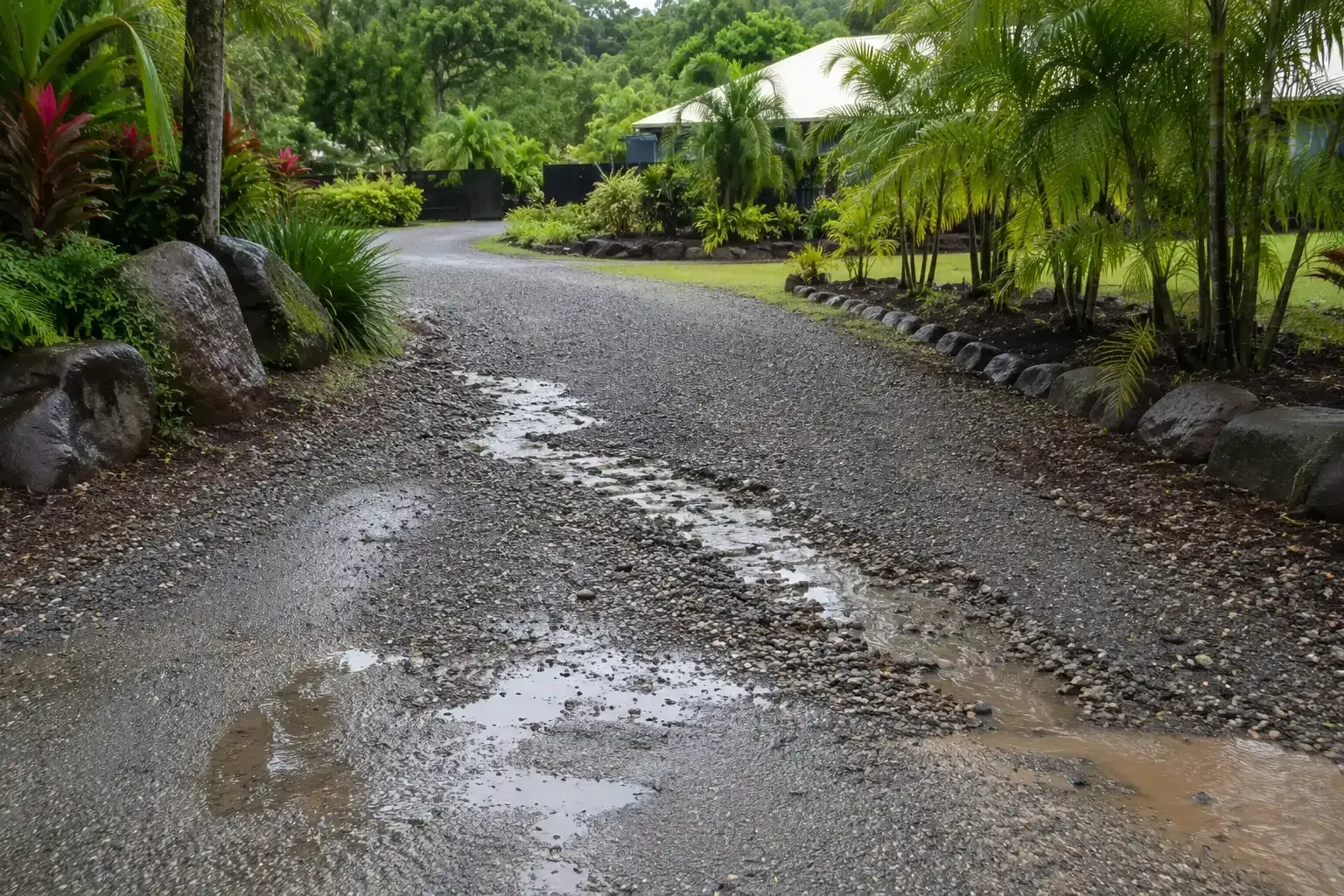
Water Running Across the Driveway
Surface water crossing a driveway can cause slippery conditions, erosion, sediment movement and edge damage.
Pooling Near Garages or Carports
Low points near buildings can allow water to sit against slabs, paths or garage entries after rain.
Washed-Out Gravel Driveways
Fast-moving runoff can cut channels through gravel, expose soft ground and make the driveway uneven.
Blocked or Undersized Culverts
Old, damaged or poorly positioned culverts can restrict water flow and cause water to back up during heavy rain.
Soft or Boggy Access Tracks
Poor drainage can leave access areas soft, rutted and difficult to drive over, especially on larger or semi-rural properties.
Driveway Drainage and Culvert Services
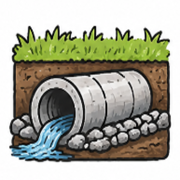
Culverts help water pass beneath a driveway, access track or entry instead of across it. Often used where driveways cross open drains, table drains or natural runoff paths.
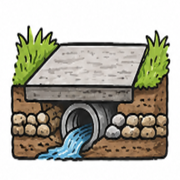
Where water naturally moves across a driveway, cross drainage can help direct flow through a controlled path using culverts, channels or shaped drainage.
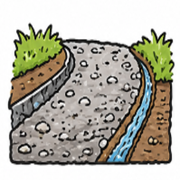
Gravel driveways often need careful shaping, fall, edge drainage and runoff control to reduce washouts and soft patches.
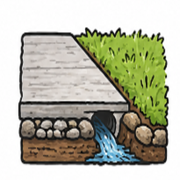
Drainage along the side of a driveway can help intercept water before it reaches the driveway surface or nearby buildings.
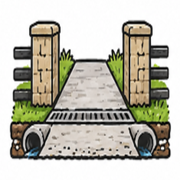
Entrances from roads, acreage blocks and rural-residential properties may need culverts, trenching or grading to manage roadside runoff.
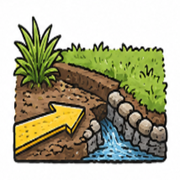
Stormwater Runoff Redirection
Where water is moving toward the wrong area, drainage works can help guide it toward a more suitable outlet or flow path.
When a Culvert is the Right Fit
A culvert may be suitable where water needs to pass beneath a driveway, entry or access track rather than flowing across the surface. This is common where a property has roadside drainage, a natural low point, a shallow swale or runoff from higher ground.
A culvert may be worth considering if:
- Water regularly crosses your driveway during rain
- Gravel is washing away near the entry
- Water pools at the road edge or driveway entrance
- Vehicle access becomes soft or muddy
- Existing pipes are blocked, crushed or too small
- A new access point needs drainage before being used regularly
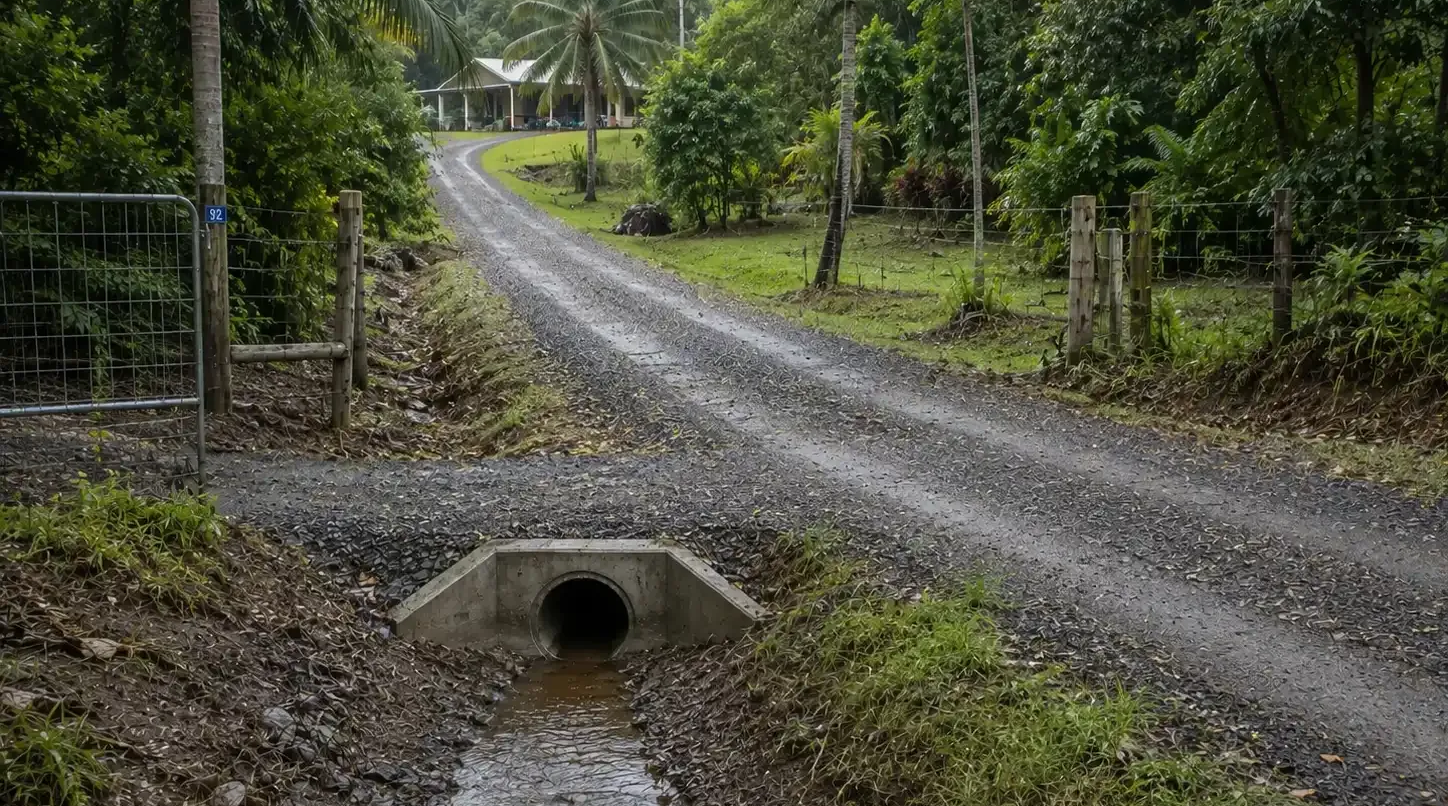
Not every driveway drainage issue needs a culvert.
Some properties may be better suited to
surface shaping, spoon drains, trenching, pit and pipe drainage, or a combination of drainage methods.
Built for Cairns Wet-Season Conditions
Driveway drainage in Cairns needs to account for tropical rainfall, heavy downpours, sloping blocks, clay soils, older suburban driveways, acreage entries and rural-style access roads.
Larger properties in areas such as Freshwater, Redlynch, Brinsmead, Edmonton, Gordonvale, Smithfield, Bentley Park and surrounding rural & semi-rural areas can all experience different driveway drainage challenges depending on the land shape, soil type and where water naturally wants to move.
The best solution is usually not about forcing water away at random. It is about understanding the fall of the land, where water enters the property, where it collects, and where it can be safely directed.
How Driveway Drainage Work is Planned
1. Assess Water Movement
The first step is identifying where water is coming from, where it crosses the driveway, and where it naturally wants to drain.


2. Check Driveway & Access Needs
The drainage solution needs to suit how the driveway is used, including vehicle access, turning areas, gradients and entry points.
3. The Right Drainage Method
This may involve culverts, trenches, drainage channels, grading, gravel shaping, pipework or a combination of approaches.
4. Complete the Drainage Works
Works are carried out with a practical focus on water movement, access, durability and site conditions.
5. Leave the Area Ready for Use
The finished result should help reduce pooling, washouts and soft access areas while keeping the driveway functional.
Related Drainage Services
For broader drainage issues around the property, you may also need:
For general stormwater issues, surface water, pits, pipes and broader residential drainage problems.
For water pooling across lawns, garden areas, outdoor spaces and low points around the home.
For clean trench excavation for underground pipes, drainage lines, services and water redirection.
For larger properties, acreage drainage, paddock runoff, access tracks and open water movement.
For broader ground preparation, reshaping, levelling and drainage-related excavation before other works.
Commonly Asked Driveway Drainage Questions
Do I need a culvert for my driveway?
You may need a culvert if water regularly crosses your driveway, pools at the entry, washes away gravel or blocks access after heavy rain. A site assessment can help confirm whether a culvert, drain, trench or surface reshaping is the better option.
Can driveway drainage help stop gravel washing away?
Yes. Good driveway drainage can help reduce uncontrolled runoff, which is often the reason gravel driveways develop ruts, washouts and soft edges.
Do culverts work on rural and acreage properties?
Yes. Culverts are commonly used on acreage and semi-rural properties where driveways, tracks or entries cross natural runoff paths, table drains or low points.
Can you help with water pooling near a garage or carport?
Yes. Depending on the site, this may involve driveway drainage, surface grading, pit and pipe drainage, trenching or redirecting water away from the structure.
How does driveway drainage differ from yard drainage?
Driveway drainage focuses on vehicle access, driveway surfaces, entries, runoff crossings and culverts. Yard drainage is more focused on lawns, garden areas, outdoor living spaces and general water flow around the home.
Need Help with Driveway Drainage in Cairns?
If your driveway, property entry or access track is affected by pooling water, washouts or wet-season runoff, Cairns Drainage can help with practical driveway drainage and culvert solutions. Here are the areas we service.